Review: Growing Winged Flower
First Impressions of Growing Winged Flower
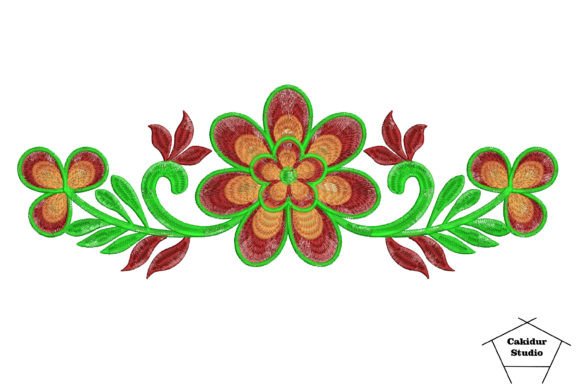
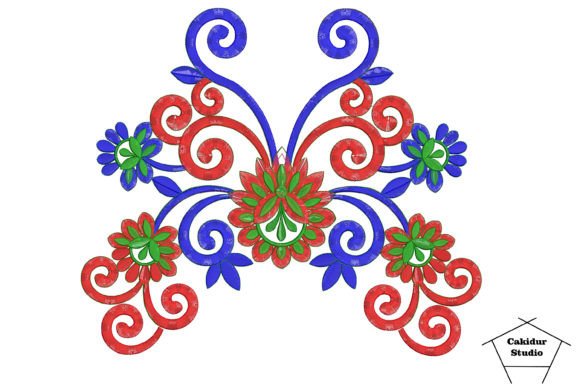
The Growing Winged Flower embroidery design immediately catches the eye with its elegant and abstract floral patterns. The visual personality is both fresh and classical, offering a unique border that adds a subtle yet striking touch to any garment. The stitching mood is delicate but confident, with enough detail to stand out without overwhelming the fabric.
This design feels premium in its execution, balancing a sense of casual charm with a refined aesthetic. It leans toward being feminine and minimalist, making it versatile for a range of styles—from cozy seasonal outfits to modern boutique apparel.
Where to Use Growing Winged Flower
For a small sweatshirt or hoodie collection, Growing Winged Flower can be used in several impactful ways. On neutral sweatshirts, it adds a soft accent that doesn’t compete with the base color. On pastel hoodies, it enhances the gentle tone with a touch of sophistication. On dark apparel, the design stands out with a clean contrast, while on oversized garments, it offers a stylish focal point.
As a sleeve accent or back design, the embroidery adds depth and character. On t-shirts, it can be placed subtly on the chest or as a bold statement on the back. For tote bags, it becomes a standout feature that elevates the handmade product feel. In lifestyle product photos, it brings a professional look that appeals to Etsy sellers and small shop products.
Performance in Different Apparel Applications
Growing Winged Flower performs well in sweatshirt embroidery, especially when placed on the chest or sleeves. Its outline style makes it ideal for hoodie design, where clarity and definition are key. When used as a back design, it provides a decorative strength that complements the overall look of the garment.
On t-shirt embroidery, the design maintains its elegance without becoming too busy. For tote bag design, it works well as a central motif or border, adding a touch of artistic flair. In boutique merchandise, it supports brand identity by offering a consistent and recognizable visual element.
The design also translates well into printable mockups and social media graphics, helping Etsy sellers showcase their custom apparel effectively. As a commercial embroidery product, it offers value through its versatility and adaptability across different fabrics and placements.
Considerations for Embroidery Placement and Fabric
When using Growing Winged Flower, consider placement carefully. Small chest areas may require a scaled-down version of the design to maintain balance. Dense stitch areas should be avoided if the fabric is prone to puckering or stretching.
Stretchy fabric like fleece or ribbed material needs proper stabilizer to prevent distortion. Dark garments benefit from thread colors that contrast well with the background. Curved surfaces, such as on denim jackets, may require careful hoop size selection to ensure even stitching.
Tiny lettering or intricate details might not work well with this design due to its abstract nature. Areas that may stretch or wrinkle, such as seams or hems, should be tested before final application.
Impact on Apparel Value and Brand Identity
Using Growing Winged Flower can significantly enhance the value of a finished product. Its classic yet modern appeal helps build buyer trust and encourages customer engagement. For a boutique brand, it contributes to visual consistency across the collection, reinforcing a cohesive brand identity.
As a digital embroidery file, it allows for easy integration into commercial embroidery workflows. For handmade products, it adds a level of professionalism that sets them apart from mass-produced alternatives. For an Etsy seller, it offers a reliable design that can be used in multiple applications, increasing the return on investment.
Practical Tips for Embroidery Designers
Before finalizing any project, test Growing Winged Flower on scrap fabric to assess how it interacts with the intended material. Check the stabilizer choice to ensure the design holds up under stitching. Review thread color contrast to make sure it complements the garment’s base color.
Confirm the hoop size required for the design to avoid unnecessary adjustments during production. Inspect the stitch density to ensure it matches the fabric texture. Test the design on similar garment fabric to predict how it will perform in real-world conditions.
Compare placement options to find the most visually appealing position. Always check Creative Fabrica embroidery product details and licensing before selling finished apparel to ensure compliance and avoid potential issues.